Replace Coming Soon with a Live Forum Thread
Stop collecting emails on a static page; use a live forum thread to build familiarity, legitimacy, and launch-day notifications before you ship.

The Coming Soon page is a dead end
You have a name, a logo, and a page that says the product is coming. Product Hunt discontinued passive teaser pages and substituted Product Forums, with each scheduled product receiving a /p/productname forum namespace.
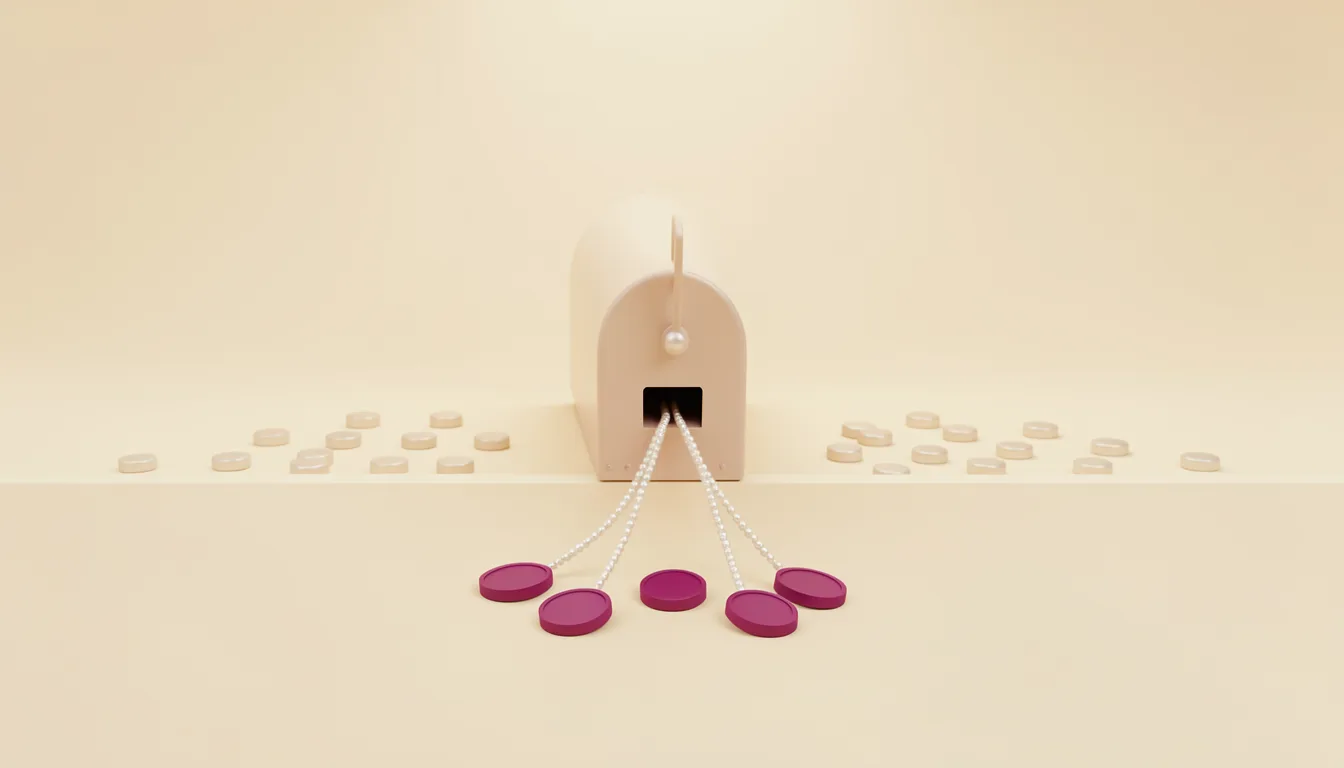
That page is a dead-end mailbox. It collects a few emails, then it sits there while you wonder whether anyone will show up. The old launch checklist still tells you to build a Coming Soon page, gather waitlist emails, and hope the day arrives with enough noise. For early users, that is the wrong place. You need a place where people can ask questions, see proof, and recognize the product before launch day.
For a product with no distribution, the page is not enough. It does not create questions, proof, or familiarity. It only waits.
The live thread is the pre-launch audience
Pre-launch forum activity on Product Hunt is used to prompt notifications, make the product familiar, and build legitimacy. The thread matters before launch, not after.
The manual work is unglamorous. Answer questions in the thread. Reply to comments with specifics about what the product does and who it is for. Ask people to tell you what would make it useful. Do this before launch day, when there is still time to change the story.
If you have no distribution, the thread is your distribution. It is the place you point to when you message someone, the reason you follow up, and the context for the link.
You do not need a growth loop, a referral engine, or a channel that works at scale. You need a place where early users can ask what the product is, see who it is for, and decide whether to show up on launch day.
The old checklist treats the launch page as the product. You spend days on copy, a headline, and a button. Then you wait. The forum thread flips that. You spend time on the questions people ask, the proof they need, and the objections they raise. The page can be simple. The thread does the selling.
Product Hunt judges launches on four criteria: usefulness, interestingness, quality of construction, and creativity. CEO Rajiv Ayyangar introduced a Featured versus All system at Product Hunt, where only Featured products appear in mobile apps and get meaningful traffic. The pre-launch thread becomes a credibility check: if it cannot show those four things, the launch page will not save you.
You can still build a simple page. It can hold the name, the promise, and a link to the thread. But the page should not be the main event. The main event is the conversation that happens before launch day.
Do not send people to the thread and disappear. Stay in the thread. Answer the early questions quickly. If someone asks for a demo, send a demo. If someone asks who it is for, say who it is for. The thread should feel like a product team is present, not like a marketing department is waiting for launch day.
Make the product easy to understand. Answer what it does in plain words. Name the person it is for. Point to the part that matters when someone asks what is different. That kind of clarity is what makes a small thread feel real.
Some of the work is hand-holding. You may answer the same question again, walk a person through the product, and rewrite the description until it is clear. The thread is where the product becomes real before launch day.
The checklist replaces the old launch page
Keep this list next to your keyboard. Each item is small, and each one moves the product from unknown to recognizable.
- Pre-launch: create the /p/productname thread on Product Hunt.
- Pre-launch: post proof and an open question in that thread.
- Pre-launch: use Product Hunt's Ship product to create an Upcoming Product page that the platform will help promote; it also lets you set a launch time in advance.
- Launch day: confirm that Product Hunt sends a notification to all followers of a product when its launch day begins.