Audit Your First 100 Buyers for a Connections-Only Feed
In one hour, sort 30-50 target buyers into connections, follows, and neither, so you know who can actually see you in a connections-only feed.
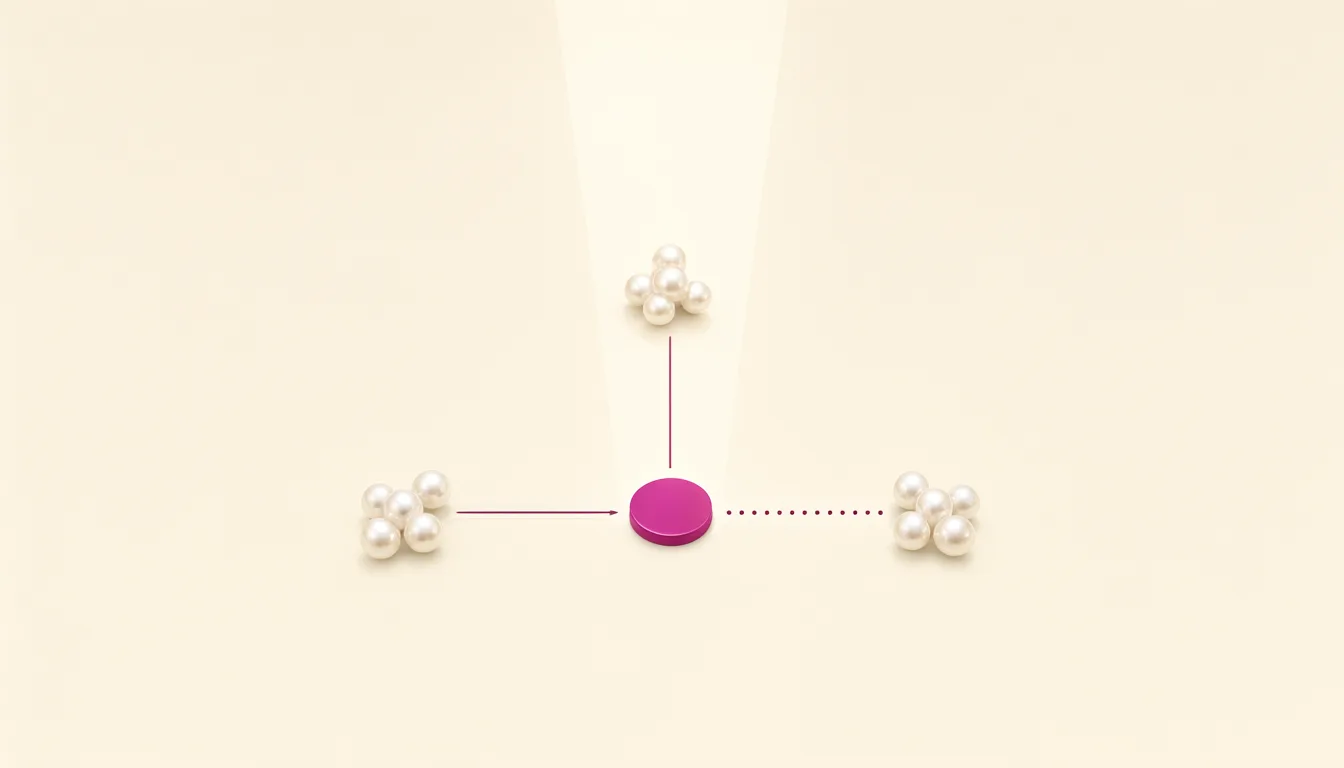
You are not waiting for a feed to find your first 100 users. You are sitting with a list of 30 to 50 target buyers on LinkedIn, deciding who can actually see you, and which names still need a direct message.
In a post dated September 18, 2026, as part of LinkedIn's September 2026 feed changes, chief product officer Hari Srinivasan said the company was testing a For You / Network split, with Network as a trial alternative to the main feed.
The test is limited to an experimental audience, and its first wave reached U.S. users, not a global rollout. Earlier feed tests, including 2025 suggested-feed and June 2026 topic-based feeds, have not become full rollouts.
For founders manually courting their first users, do not build on a feed that may disappear. Build on the relationships you chose, because those are the only ties you can audit before you post.
Manual outreach is unscalable, and that is the point. You can send a short note to one buyer, ask what is blocking them, and learn something no dashboard will give you. You cannot do that with a stranger you have never met, and a follower count will not tell you who is actually reachable.
A connections-only feed rewards deliberate ties
In the test, Network is framed around members' explicitly chosen connections and follows: it surfaces posts from first-degree connections and followed people or pages, not from the main algorithmic feed. That split gives your chosen connections the role of a built-in distribution channel for posts.
For a founder, the question changes from who the platform might show you to which target buyers already have a reason to see you. A long list of strangers is a reach problem. A short list of people you have spoken to is a channel you can work by hand.
A follow is weaker than a connection, but it is still a choice: someone let your posts into a feed without a request. Treat it as a warm lead, not a customer. If you follow them back, you have a mutual tie that is easier to audit.
The audit turns a contact list into a channel
Set aside one hour. Open a blank sheet and work through the checklist below. The audit separates durable first-user access from accidental visibility.
- Write down thirty to fifty target buyers you would want in your first hundred.
- Mark each as connection, follow, or neither.
- For every connection, note whether you chose that tie or it happened by accident.
- For every follow, note whether you followed them deliberately or just tapped a button.
- Count only connections and follows as your durable first-user channel.
- Put every neither in a manual outreach queue, not in a feed expectation.
The first two items force you to name the buyers instead of relying on a follower count. The middle two separate chosen ties from noise, and the final pair gives you a rule for what to do next.
Keep the list visible. You are not ready to judge a feed until you can name the next buyers. The audit is a forcing function: it makes you identify the people you would actually call.
Connections get a conversation, not a broadcast. Follows need a move to earn the connection. Buyers marked neither go into a manual outreach queue, not a feed expectation. Choose one channel for each: a direct message, a call, an event, or a warm introduction, and do not let the queue become a graveyard of names.
LinkedIn's post analytics have a discovery section that separates reach into connections-based and algorithmic categories, so you can audit how much of your audience comes from deliberate ties. A small connections-based share shows your list is smaller than you thought, and the queue is where the work starts.